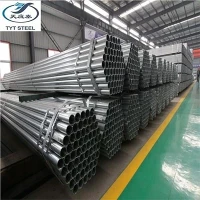
In electrical and construction engineering, "galvanized conduit" and "galvanized steel pipe" are two of the most common metal piping materials. Despite their similar names and appearances, they are fundamentally different in terms of application, structure, and construction notation. Choosing the wrong one can result in wasted labor, wasted costs, and potential safety hazards. This article will help you clearly distinguish between the two by examining their materials, manufacturing processes, applications, structures, and construction drawing notations.
I. Definitions: The Essential Difference Between the Two "Galvanized Pipes"
1. Galvanized Conduit (MT)
Galvanized conduit, also known as electrical metallic tubing (EMT) in some standards, is a thin-walled metal pipe specifically designed to protect electrical wires and cables. It is typically made from thin-walled cold-rolled steel strip, formed into a tube shape through a cold-bending process, and then galvanized on the surface for corrosion resistance.
Core mission: Protect electrical wires and cables, allowing "wires" to pass safely through the pipe.
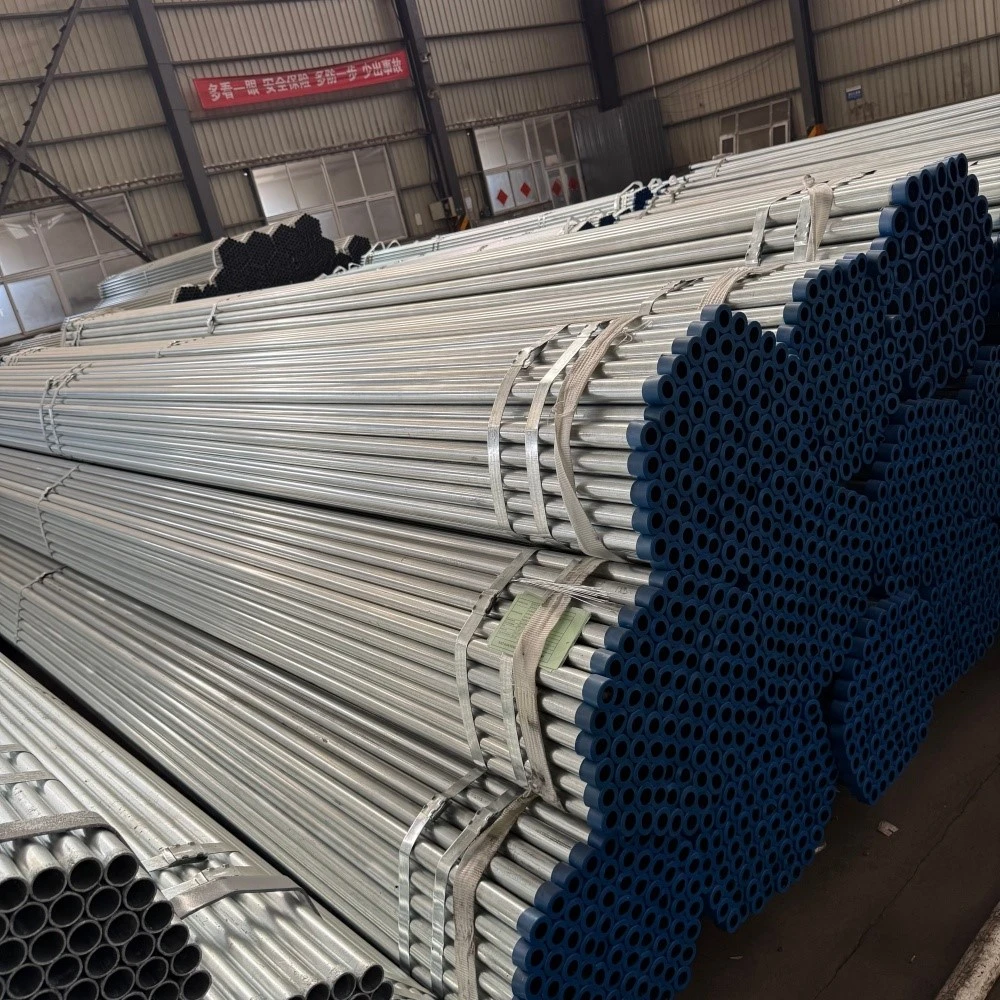
2. Galvanized Steel Pipe (SC)
Galvanized steel pipe is a pipe with a zinc coating formed on the surface of a steel pipe through hot-dip galvanizing or electro-galvanizing processes. It can be made as seamless steel pipe, spiral-welded steel pipe, or straight-seam welded steel pipe, with the steel base protected against corrosion through the hot-dip galvanizing process.
Core mission: Transport liquids or gases, withstand pressure and temperature.
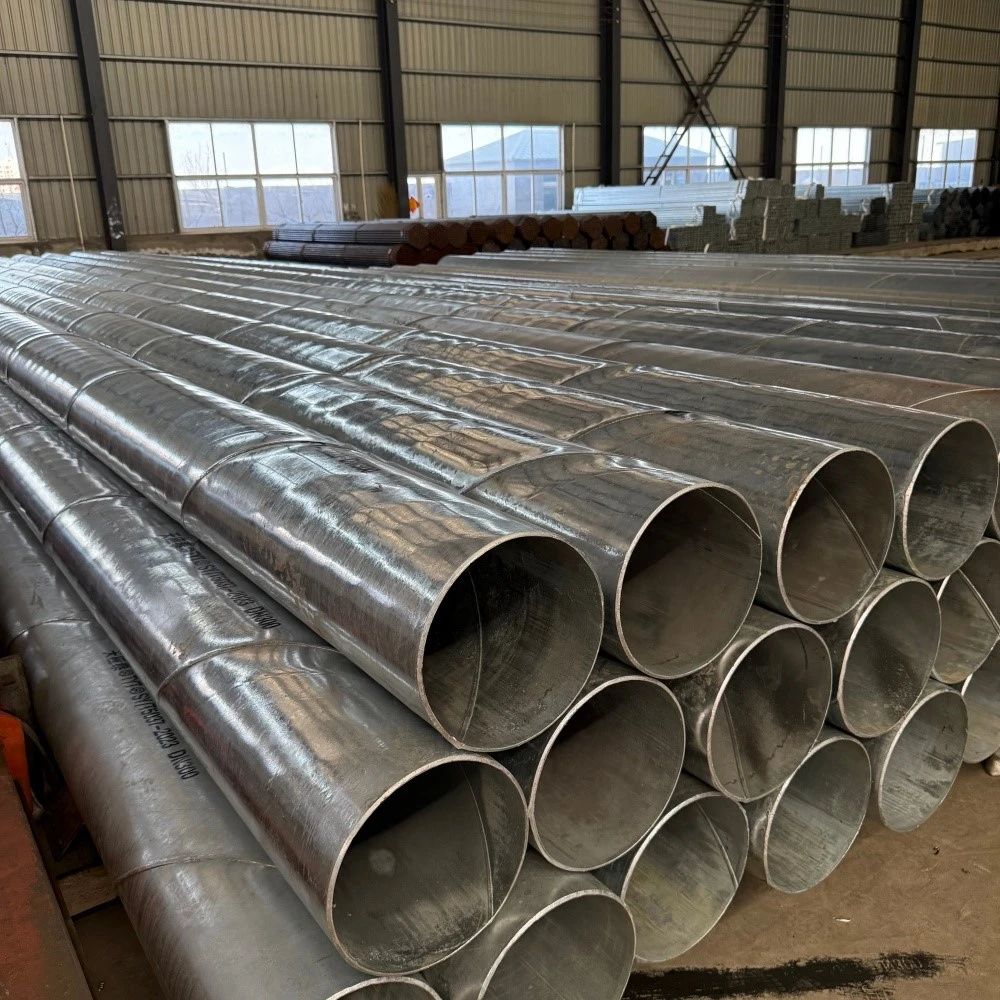
II. Multi-Dimensional Comparison: Understand at a Glance with One Table
| Comparison Dimension | Galvanized Conduit (MT) | Galvanized Steel Pipe (SC) |
|---|---|---|
| Full Name | Galvanized Electrical Conduit | Galvanized Steel Pipe |
| Primary Purpose | Protect wires and cables | Transport fluids or gases |
| Base Material | Thin cold-rolled steel strip | Carbon steel (seamless or welded) |
| Wall Thickness | Thin (typically 1.0–2.0 mm) | Thick (typically 2.0–8.0 mm or more) |
| Manufacturing Process | Cold-bending forming + galvanizing | Steel pipe forming + hot-dip/electro-galvanizing |
| Galvanizing Method | Usually electro-galvanizing or hot-dip galvanizing | Usually hot-dip galvanizing |
| Pressure Resistance | Low (no pressure requirement) | High (designed to withstand working pressure) |
| Flexibility | Good, easy to bend | Poor, requires elbows to change direction |
| Weight | Light | Heavy |
| Connection Method | Threaded sleeve (junction box) / compression coupling | Threaded, flanged, or welded |
| Typical Applications | Electrical wiring protection in buildings | Water supply, drainage, gas, fire protection |
| Construction Code | MT | SC |
III. Structural Features: Why They Look Similar but Perform Differently
1. Structural Features of Galvanized Conduit (MT)
Thin wall, light weight: Easy to carry, cut, and install, significantly reducing construction labor intensity.
Good flexibility: Can be bent manually or with a spring bender to adapt to complex routing paths such as corners and beam penetrations.
Smooth inner wall: Reduces friction when pulling wires through, protecting cable insulation from damage.
Limited pressure resistance: The thin wall makes it unsuitable for any pressure-bearing applications.
2. Structural Features of Galvanized Steel Pipe (SC)
Thick wall, high strength: Can withstand high internal pressure and external loads.
Rigid structure: Difficult to bend on-site; direction changes require prefabricated elbows (e.g., 90° elbow, 45° elbow).
Multiple connection methods: Threading, flanges, or welding are available to suit different pressure and medium requirements.
Heavy weight: Requires more manpower and equipment for installation.
IV.How to Quickly Identify on Site?
When the labeling is unclear, you can distinguish the two using the following simple methods:
Tap and listen: Tap the pipe wall with a hard object. Galvanized conduit produces a crisp, sharp sound due to its thin wall; galvanized steel pipe produces a dull, heavy sound due to its thick wall.
Visual wall thickness: Observe the pipe end cross-section. Galvanized conduit has a noticeably thinner wall; galvanized steel pipe has a thick, solid wall.
Bend test (non-destructive): Galvanized conduit can be bent with moderate force; galvanized steel pipe is almost impossible to bend by hand.
Check the label: Qualified products have factory labels on the outer surface indicating specifications, standards, and the manufacturer's name.
Remember: One protects the "wires," the other carries the "fluids." Choosing correctly from the start saves time, money, and ensures safety.